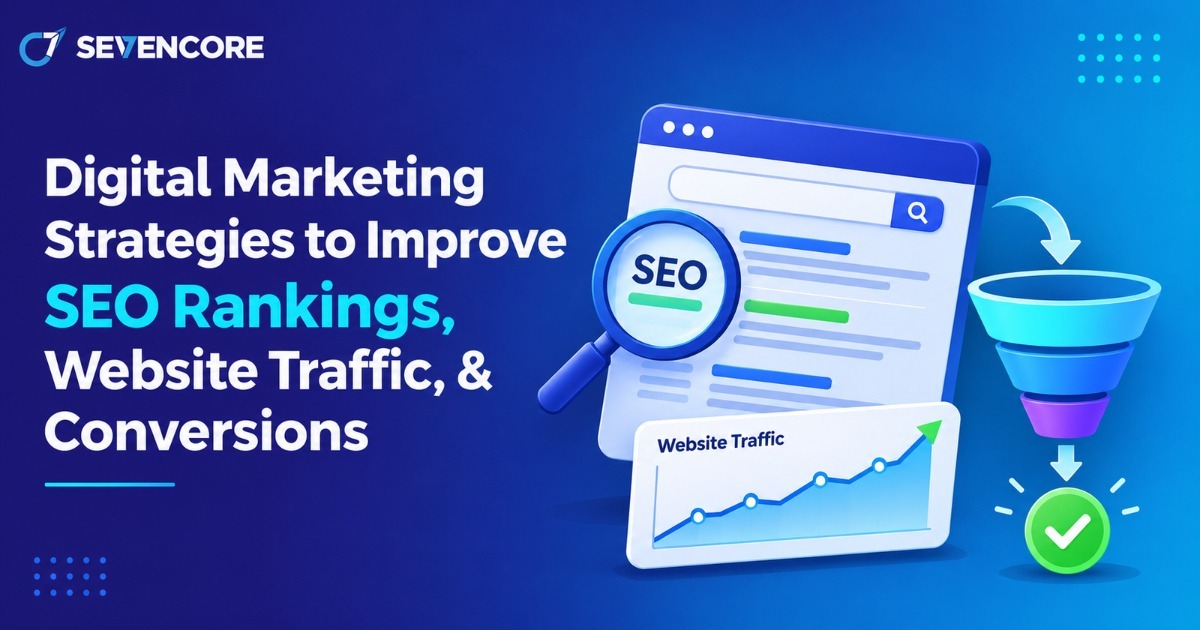
Digital marketing has become an important part of business growth. Having a website alone is not enough to attract customers or generate leads. Businesses need effective digital marketing strategies to improve their online visibility, reach their target audience, and turn website visitors into potential customers.
With increasing online competition, companies must focus on search engine optimization (SEO), content marketing, social media, email campaigns, and paid advertising. Each channel plays a different role in attracting visitors and building customer relationships.
A well-planned digital marketing strategy helps businesses improve search rankings, increase organic traffic, strengthen their online presence, and generate more conversions. Let’s explore the strategies businesses can use to achieve these goals.
What Are Digital Marketing Strategies and Why Do Businesses Need Them?
Digital marketing strategies are planned activities that businesses use to promote their products and services through online channels. These strategies include SEO, content marketing, social media marketing, email marketing, and paid advertising.
They help businesses connect with potential customers, communicate their value, and achieve measurable marketing goals.
Role of Digital Marketing in Business Growth
Digital marketing helps businesses reach customers who are actively searching for relevant products and services. It also provides opportunities to:
- Increase brand awareness across digital platforms.
- Reach specific audiences based on their interests and needs.
- Generate qualified leads through targeted campaigns.
- Build customer relationships through regular communication.
- Measure marketing performance using analytics tools.
How SEO and Digital Marketing Work Together
SEO is an important part of digital marketing that focuses on improving a website’s visibility in organic search results.
For example, publishing informative blog content, optimizing website pages, improving technical performance, and earning relevant backlinks can help businesses attract visitors from search engines.
Combining SEO with social media, email marketing, and paid campaigns creates a more comprehensive approach to online growth.
How to Improve SEO Rankings With Effective Digital Marketing Strategies
Improving search engine rankings requires consistent optimization and useful website content. Businesses should focus on the following SEO practices.
Conduct Keyword Research and Competitor Analysis
Keyword research helps identify the search terms potential customers use when looking for products or services.
Businesses can use tools such as Google Keyword Planner, Semrush, and Ahrefs to discover relevant keywords, understand search demand, and identify content opportunities.
Competitor analysis also helps businesses understand which keywords competitors target, what type of content performs well, and where new opportunities exist.
Optimize Website Content and On-Page SEO
On-page SEO improves individual website pages so search engines and visitors can understand their content.
Important optimization activities include:
- Using relevant keywords in page titles and headings.
- Writing descriptive meta titles and descriptions.
- Creating clear and informative page content.
- Adding relevant internal links.
- Optimizing images with descriptive alt text.
- Organizing content with proper H1, H2, and H3 headings.
Content should answer users’ questions naturally instead of repeating keywords unnecessarily.
Improve Technical SEO and Website Performance
Technical SEO helps search engines crawl, understand, and index website pages.
Businesses should pay attention to:
- Website loading speed and Core Web Vitals.
- Mobile-friendly website design.
- XML sitemap configuration.
- Robots.txt and crawl accessibility.
- HTTPS security.
- Canonical tags and duplicate content management.
- Structured data where relevant.
A technically sound website provides a better experience for visitors and supports search engine visibility.
Build High-Quality Backlinks
Backlinks are links from other websites that point to your website. Relevant and trustworthy backlinks can help search engines understand the credibility and authority of a website.
Businesses can build backlinks through guest blogging, industry publications, useful resources, digital PR, and partnerships.
The focus should remain on earning relevant links rather than collecting large numbers of low-quality backlinks.
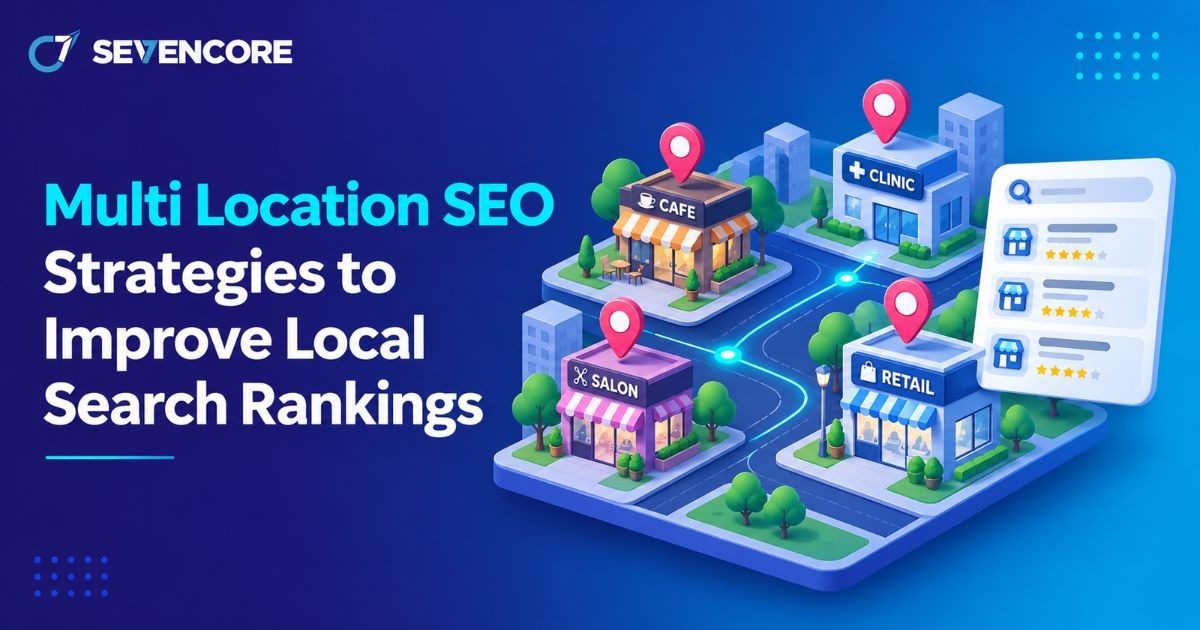
Implement Local SEO Strategies
Local SEO helps businesses appear in location-based search results when potential customers look for nearby services.
Some important local SEO activities include:
- Creating and optimizing a Google Business Profile.
- Maintaining consistent business name, address, and phone number information.
- Adding accurate business categories and service details.
- Collecting genuine customer reviews.
- Creating relevant location-specific website pages.
- Keeping business information updated across online directories.
These activities help businesses improve their visibility among customers searching for services in their area.
How Social Media Marketing Helps Drive Website Traffic
Social media platforms provide businesses with opportunities to connect with audiences, share useful information, and increase brand visibility.
Choose the Right Social Media Platforms
Businesses should select platforms based on their target audience and industry.
For example, LinkedIn can help B2B companies connect with professionals, while Instagram and Facebook can support businesses that depend on visual content and customer engagement.
Share Valuable and Engaging Content
Regularly sharing informative posts, industry updates, customer stories, and educational content helps businesses maintain audience interest.
Content should provide value rather than focus only on promoting products or services.
Use Social Media Campaigns to Reach Target Audiences
Paid social media campaigns allow businesses to reach specific audiences based on factors such as location, interests, demographics, and professional roles.
Businesses can use these campaigns to promote website content, generate leads, and increase awareness of their services.
Conversion Optimization Strategies to Generate More Leads
Increasing website traffic is important, but visitors should also be encouraged to take meaningful actions. Conversion rate optimization focuses on improving website elements that influence user decisions.
Improve Website Design and User Experience
A professional website should make it easy for visitors to find information and understand available services.
Clear navigation, readable content, consistent branding, and well-organized pages help create a better browsing experience.
Create Clear Calls to Action (CTAs)
Calls-to-action guide visitors toward the next step.
Examples include:
- Request a Free Consultation.
- Get a Quote.
- Contact Our Team.
- Explore Our Services.
- Schedule a Demo.
CTAs should be visible, relevant to the page content, and clearly communicate what happens when users click them.
Optimize Landing Pages and Contact Forms
Landing pages should focus on one primary marketing objective. Businesses should include a clear headline, relevant benefits, useful information, and an easy-to-find CTA.
Contact forms should request only the information needed to respond to an inquiry. Complicated forms can discourage visitors from completing the process.
Build Trust Through Reviews and Testimonials
Customer reviews, testimonials, case studies, and client experiences help demonstrate business credibility.
Displaying genuine feedback and relevant project examples can help potential customers feel more confident about contacting a business.
Improve Website Loading Speed and Mobile Experience
Slow loading pages and difficult mobile navigation can negatively affect user experience.
Businesses should optimize images, reduce unnecessary scripts, use reliable hosting, and test website functionality across different screen sizes.
How Email Marketing and Paid Advertising Support Digital Marketing
SEO and content marketing help attract visitors organically, while email marketing and paid advertising provide additional ways to reach potential customers.
Use Email Campaigns to Nurture Potential Customers
Email marketing allows businesses to communicate with people who have subscribed or expressed interest in their services.
Businesses can send newsletters, product updates, educational resources, and relevant offers to maintain customer engagement.
Run Targeted PPC Advertising Campaigns
Pay per click advertising helps businesses display ads for relevant search queries and audience segments.
Google Ads can be used to reach people searching for specific products or services. Businesses should monitor keyword performance, advertising costs, landing page quality, and conversions to improve campaign results.
Combine Paid and Organic Marketing Strategies
A balanced digital marketing approach uses both organic and paid channels.
SEO can support long-term visibility, while paid campaigns can help businesses reach potential customers more quickly. Combining these channels can provide broader reach and more opportunities to generate leads.
How to Measure Digital Marketing Performance
Measuring performance helps businesses understand which marketing activities are producing results and where improvements are needed.
Track Organic Traffic and Keyword Rankings
Google Search Console helps businesses monitor search impressions, clicks, average positions, and search queries.
Google Analytics 4 provides additional information about website traffic sources, user engagement, and conversions.
Monitor Website Engagement and Conversions
Important metrics include:
- Organic website sessions.
- Landing page performance.
- Engagement rate.
- Contact form submissions.
- Phone calls and inquiries.
- Conversion rate.
- Returning visitors.
Tracking these metrics helps businesses understand how visitors interact with their websites.
Analyze Marketing ROI Using Google Analytics and Search Console
Marketing ROI helps businesses evaluate whether their marketing investment is generating meaningful results.
Businesses should compare campaign costs with measurable outcomes such as qualified leads, sales, and customer acquisition.
Using analytics data regularly allows marketing teams to identify successful campaigns and adjust underperforming activities.
Conclusion
Improving SEO rankings, increasing website traffic, and generating conversions require a well-planned digital marketing approach. From keyword research and content marketing to social media campaigns and conversion optimization, every activity contributes to building a stronger online presence.
However, successful digital marketing requires more than implementing individual tactics. Businesses need to understand their audience, monitor campaign performance, and continuously improve their strategies based on measurable results.
Sevencore helps businesses strengthen their online presence through digital marketing, SEO, website development, and technology solutions. Whether you want to improve search visibility, attract relevant website visitors, or generate more business inquiries, the right digital strategy can support your growth.
Ready to improve your online visibility and grow your business? Contact Sevencore to discuss your digital marketing goals.
Frequently Asked Questions About Digital Marketing Strategies
How Can Digital Marketing Improve SEO Rankings?
Digital marketing supports SEO through keyword research, content creation, website optimization, link building, and local search activities. These practices help improve website relevance, usability, and organic search visibility.
What Are the Best Digital Marketing Strategies for Increasing Website Traffic?
SEO, content marketing, social media marketing, email campaigns, and paid advertising are effective ways to attract website visitors. The right combination depends on business goals and target audiences.
How Does SEO Help Generate Business Leads?
SEO attracts visitors who are actively searching for relevant products or services. Optimized service pages, informative content, and clear calls-to-action can encourage these visitors to submit inquiries or contact the business.
How Long Does It Take to See Results From Digital Marketing?
The timeline depends on the marketing channel, competition, website condition, and campaign objectives. Paid advertising can generate visibility quickly, while SEO and content marketing generally require consistent effort over time.
Which Digital Marketing Strategy Is Best for Small Businesses?
A combination of local SEO, useful content, social media marketing, and targeted advertising can help small businesses improve online visibility and reach potential customers within their target markets.
References
-
Google SEO Starter Guide — Official crawl, indexing, content, and technical SEO basics.
-
Google Business Profile Local Ranking — Official guide to local search visibility and profile optimization.
-
Google Analytics 4 Overview — Official documentation for event tracking, traffic, and conversions.
-
Google Ads Help Hub — Official setup and optimization guide for paid search campaigns.